Uncategorized

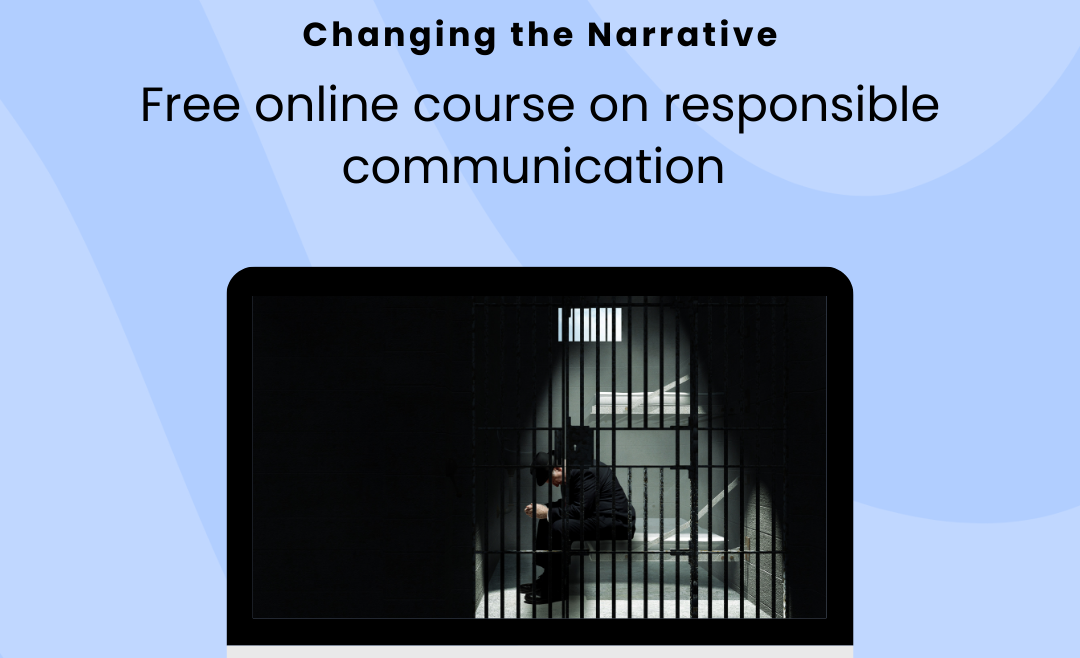
Free online course on responsible communication

Free online course on responsible communication 1080 1122 admin

How does the media shape our understanding of people who have served time in prison? What happens when reporting reinforces fear, stigma, and exclusion? And what can we do to tell more honest, respectful, and impactful stories?

The INSIGHT project, led by Lithuania (Prirašytos rankos) and funded by the Erasmus+ Programme, is tackling these questions with a new, free online course designed to support more responsible, humanizing, and ethical media practices. Whether you’re a journalist, educator, NGO worker, policymaker, or simply someone interested in social justice, this short course offers concrete tools to help change the way we speak and think about incarceration.

The Problem: Stereotypes, Stigma, and Sensationalism

Incarcerated and formerly incarcerated people are often portrayed in the media through a narrow, negative lens. Coverage tends to focus on violence, dysfunction, and crisis, reinforcing outdated stereotypes such as:

  • Inherent violence or danger
  • Inability to change or reintegrate
  • Lack of intelligence or motivation
  • Otherness — presenting people with criminal records as fundamentally different from the rest of society

These portrayals are often coupled with stigmatizing language, such as “inmate,” “offender,” or “felon,” which reduces people to their past actions and strips them of their humanity.

In Lithuania and across the EU, even coverage of real issues—such as overcrowding, abuse, or institutional failure—often lacks context, nuance, or the voices of those directly affected. As a result, the public is left with a distorted image of prison life and the challenges of reentry.

The Solution: Education, Awareness, and Ethical Storytelling

To counter these trends, the INSIGHT project developed a short, user-friendly online course focused on:

  • Humanizing (ex-)prisoners in public discourse
  • Challenging common stereotypes in reporting
  • Using people-first language
  • Understanding the impact of media on reintegration and public policy

The course draws on research, real-world examples, and practical recommendations for responsible communication. While especially relevant for those in journalism and media, it’s also designed for educators, students, social workers, civil society organizations, and the general public.

👉 Access the course here: https://www.insight-platform.eu
Cost: Free
Format: Self-paced, online
Language: English

Why It Matters

Words have power. The stories we tell—and how we tell them—can either entrench exclusion or open doors to understanding and change.

If you’re ready to be part of a more just and informed conversation about incarceration, start with this course.

—–

Project “INSIGHT” is funded by the Erasmus+ programme of the European Union. Views and opinions expressed are however those of the author(s) only and do not necessarily reflect those of the European Union or the National Agency. Neither the European Union nor National Agency can be held responsible for them.

Bologna Internationl Training Course: Ethical Crime Journalism in Action

Bologna Internationl Training Course: Ethical Crime Journalism in Action 1920 1122 admin

In early April 2025, the INSIGHT project brought a burst of energy to Bologna. 

INSIGHT is a twoyear Erasmus+ started in October 2024 initiative aimed at improving how media cover crime and justice issues  In particular, the project teaches reporters to handle sensitive stories about crime and (ex)prisoners with respect, ethics and without stereotypes.

The ultimate goal is to make crime reporting more humane – steering coverage away from sensationalism and toward empathy and fairness 

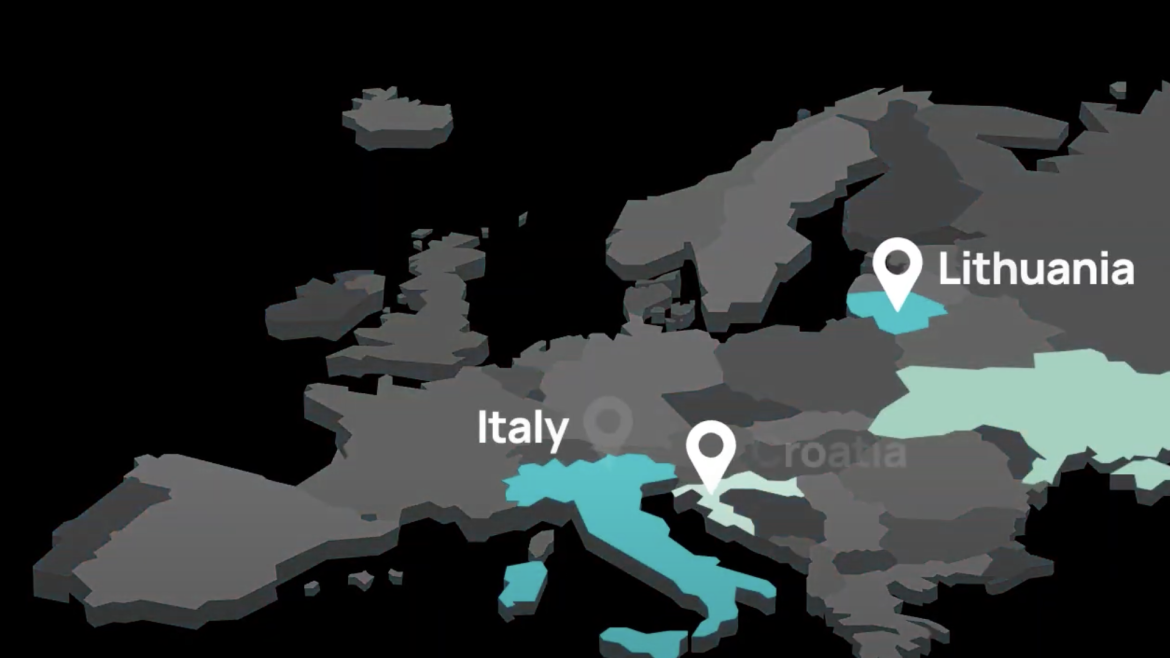
The INSIGHT consortium spans four countries – Italy, Lithuania, Ukraine and Croatia – uniting NGOs and media educators from each during 2 years project implementation

 From April 6th to 11th, 2025, 23 young media creators from these countries gathered at Bologna, in Palazzo d’Accursio and Municipio di San Donato for a week of intense training. The group included aspiring journalists, multimedia storytellers, content creators and young passionate about journalism. By design, these participants represent the “new generation” of storytellers who will shape tomorrow’s news about crime and justice.

Over five days, the participants dove into a packed schedule of workshops and hands-on modules. Key themes included:

  • Ethical Interviews & Reporting: Practicing respectful, nonsensational questioning.
  • Podcast Storytelling: Learning to craft engaging narratives for audio formats.
  • Crime Narrative Analysis: Examining how news stories are framed and where bias can creep in. How to report a story considering every point of view 
  • Media Coverage: Building skills to critically assess news sources and spot misinformation, how to structure ethically interviews 
  • Put learning methods into practice: How to implement the techniques and methods learned during the next project phase

Experienced journalists and media experts led lively discussions (from interviewing techniques to storyboarding). Trainees also had guest lectures and Q&A sessions with educators working with prisoners and reporters who specialize in crime coverage. Between sessions, the group explored Bologna’s medieval city center on guided walks – soaking up the local culture and history. They even visited NGOs and other organizations directly connected with the justice world to see firsthand how they operate.

By the end of the week, participants were buzzing with ideas and enthusiasm. Informal feedback was overwhelmingly positive and organizers report that every attendee left with stronger knowledge of ethical reporting. Pre and postcourse forms and surveys showed measurable gains in understanding: all participants improved their awareness of how to cover crime stories responsibly.

Bologna training equipped these young media-makers with concrete tools (like ethical interview checklists and podcast plans) and strengthened a network of peers across four countries.

Rethinking Media and Crime

Rethinking Media and Crime 1920 1080 admin

As part of the INSIGHT project—Initiating New Standards in Journalism: Supporting (formerly) Incarcerated Groups with Honor and Tact—we carried out in-depth research in four countries: Italy, Croatia, Lithuania, and Ukraine. This transnational effort aimed to better understand how the media portrays crime and incarceration, and how these portrayals influence public attitudes, policies, and reintegration outcomes.

The research included qualitative interviews, media content analysis, and surveys among journalists, civil society actors, and young (ex-)convicts. While each country has its own unique social and political context, several key themes emerged:

Key Findings:

1. Stereotypes Still Dominate
Across all four countries, media narratives often frame incarcerated individuals—especially youth—in stigmatizing or overly simplistic ways. Headlines focus on crime, not context, contributing to public fear and resistance to rehabilitation.

2. Lack of Ethical Guidelines
Journalists in all countries reported a need for more structured ethical frameworks when covering criminal justice topics. There’s a shared concern over sensationalism and pressure from editors to prioritize engagement over integrity.

3. Low Media Literacy Among Youth
Young people—particularly in vulnerable communities—often struggle to critically assess the media they consume. In Ukraine and Lithuania, for instance, misinformation and stigma can deeply shape young people’s views on justice and reintegration.

What This Means

This research confirms the urgent need for initiatives like INSIGHT, which foster ethical journalism, challenge stereotypes, and support media’s role in social reintegration. By connecting practitioners across countries, we create a space for mutual learning, deeper empathy, and shared strategies for change.


“INSIGHT – Initiating New Standards in Journalism: Supporting (formerly) Incarcerated Groups with Honor and Tact” is funded by the Erasmus+ programme of the European Union. Views and opinions expressed are however those of the author(s) only and do not necessarily reflect those of the European Union or the National Agency. Neither the European Union nor National Agency can be held responsible for them.

Shaping Media Ethics: A Comprehensive Study on Crime Reporting in Ukraine

Shaping Media Ethics: A Comprehensive Study on Crime Reporting in Ukraine 2358 1316 admin

Between November 2024 and January 2025, Ukrainian researchers from the NGO “Young Agents of Change” conducted an extensive study as part of the international project “INSIGHT” (Initiating New Standards in Journalism: Supporting (formerly) Incarcerated Groups with Honor and Tact). This project, funded by the European Union, brought together experts from Ukraine, Lithuania, Italy, and Croatia to explore how crime and justice are represented in the media, particularly focusing on public perception, journalistic practices, and challenges in ethical reporting.

As part of this initiative, researchers from each participating country conducted studies within their respective regions. In Ukraine, the NGO “Young Agents of Change” was responsible for implementing the research, ensuring that local perspectives and media landscapes were thoroughly analyzed.

Public Perception: A Mixed Landscape of Trust and Skepticism

The study surveyed 80 individuals across various demographics, including general public members, ex-prisoners, criminal justice professionals, and media representatives. The respondents were predominantly Ukrainian, with a gender distribution of 32,5% women and 67,5% men. The majority of participants (66,25%) were under 25 years old, reflecting a younger audience’s perspective on media representation.

A key finding revealed that while 45% of respondents rated crime reporting in Ukraine as neutral, objective, and transparent, a significant portion (33.75%) remained uncertain about the media’s fairness, ranking it at a mid-level score of “3” on a five-point scale. Interestingly, the highest trust levels in media were observed among former prisoners, while legal professionals exhibited a balanced mix of moderate and high ratings.

Despite the reasonable trust in media objectivity, serious concerns emerged regarding censorship, restricted access to information, and the persistence of stereotypes in crime reporting. The ongoing war in Ukraine further complicates journalists’ ability to gather objective and comprehensive data, producing additional obstacles to transparent reporting.

The Unheard Voices: Neglecting Victims and Ex-Prisoners

One of the most striking findings was the underrepresentation of crime victims and (ex-)prisoners in media narratives. An overwhelming 78% of respondents stated that crime victims’ perspectives are rarely or never considered in reports. The situation is even worse for (ex-)prisoners, with 82.5% of participants believing that their viewpoints are largely ignored. This exclusion fosters an imbalanced portrayal of crime, reinforcing negative stereotypes and inhibiting a deeper understanding of criminal justice dynamics.

The Risk of Bias: Presumed Guilt Before Trial

A significant issue uncovered was the risk of media bias influencing public perception of crime suspects before a trial. According to the survey, 35% of respondents acknowledged this risk, with media professionals being the most aware (85.71%). This highlights a crucial ethical challenge—how to report on crime without accidentally shaping public opinion against individuals before their guilt is legally established.

Journalists Speak Out: Ethical Dilemmas and Manipulations

In addition to surveys, in-depth interviews were conducted with journalists, bloggers, legal professionals, and ex-prisoners. A repeating theme was the ethical narrow line that journalists must walk — balancing transparency with responsible reporting. One journalist, Natalia, emphasized the need to protect victims and avoid stigmatization, particularly for children affected by crime. Blogger Erwin highlighted the influence of media on public opinion, stressing that factual accuracy must be prioritized over sensationalism.

Representatives from the penitentiary system raised concerns about media manipulation, noting that inaccurate reporting can distort public discrimination and even influence court proceedings. A case study presented by Dmytro, a  penitentiary officer, illustrated how premature media narratives could affect judicial outcomes and set off unnecessary public protest.

Breaking the Cycle: Reforming Crime Journalism

The study concluded with a clear message: crime journalism in Ukraine must evolve to foster a more balanced, ethical, and inclusive approach. Recommendations include:

  • Prioritizing victim and ex-prisoner perspectives to create more comprehensive narratives.
  • Ensuring journalists stick to ethical standards that prevent bias and sensationalism.
  • Encouraging media outlets to fact-check and present crime stories with neutrality.

As Ukraine continues to reshape its media landscape, studies like this provide a roadmap for fostering a justice system that respects all voices. Ethical journalism isn’t just about reporting crimes—it’s about upholding fairness, protecting human rights, and building a society that values truth over sensationalism.

The INSIGHT project is implemented by Prirašytos rankos (Lithuania) in collaboration with Young Agents of Change (Ukraine), AY Institute (Lithuania), Scambieuropei (Italy) and Brodoto (Croatia).

The project is funded by the European Union. Views and opinions expressed are however those of the author(s) only and do not necessarily reflect those of the European Union or the Lithuanian National Agency. Neither the European Union nor the granting authority can be held responsible for them.